Turning walk-ins into sales: the number to watch
Conversion is the share of visitors who buy. It is the clearest way to see whether the floor, the stock and the line are working.
Your sales tell you what happened at the register. Your traffic tells you what happened at the door. Here is how to count it without new hardware.
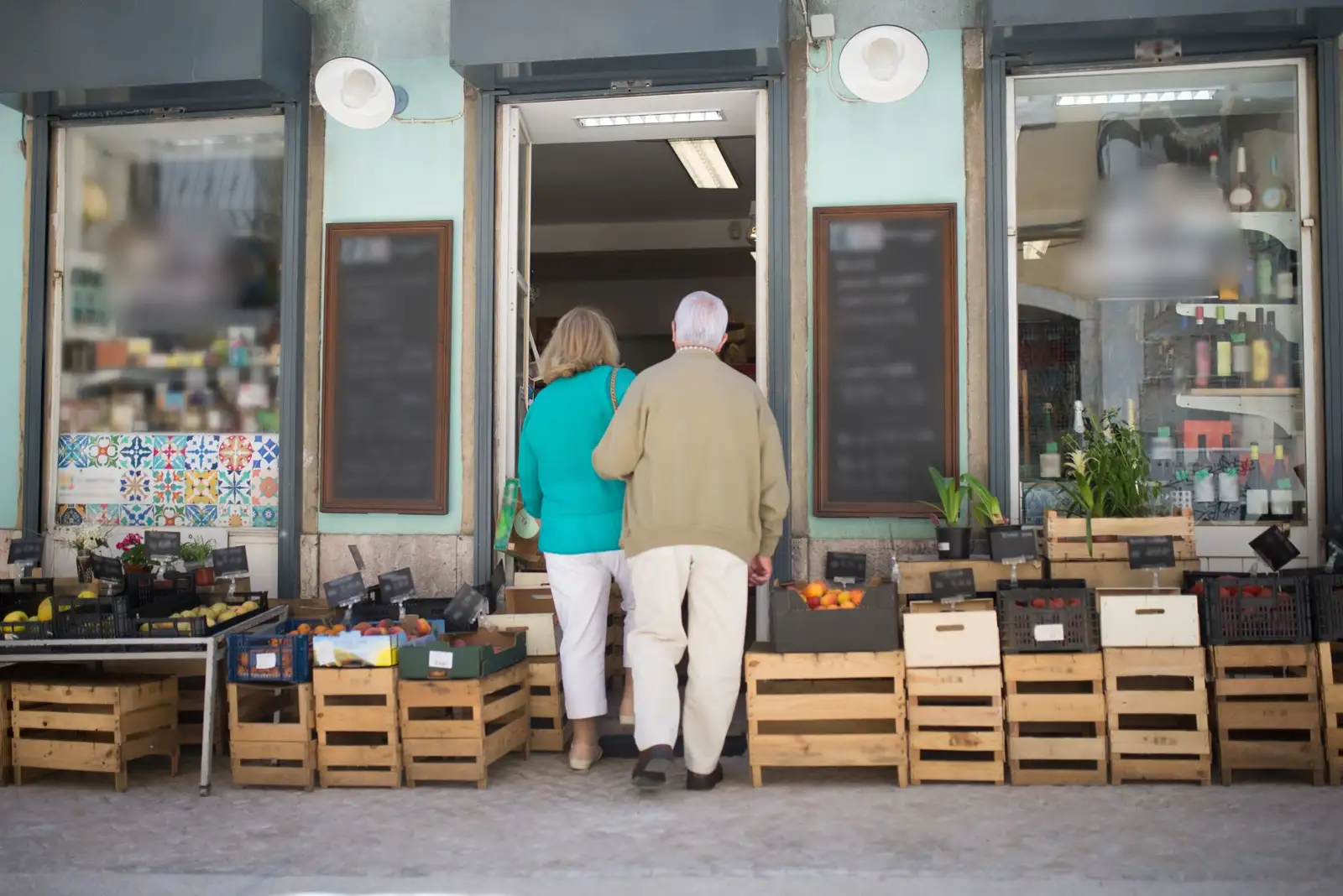
Most owners can tell you yesterday's sales to the cent. Ask how many people walked in and the answer is usually a guess. That guess hides half the story, because sales are the result of three things: how many people came in, how many of them bought, and how much each one spent.
When sales drop, you want to know which of the three moved. Fewer visitors is a marketing or location question. The same visitors buying less often is a question about the floor, the stock or the line. You cannot tell them apart without a count at the door.
Pick fixed hours, put someone near the entrance with a tally counter or a sheet of paper, and mark every person who comes in. It costs nothing and it is surprisingly useful. The weakness is obvious: people get busy, and nobody wants to do it forever.
A phone aimed at the door can count people with computer vision, the same kind of software big chains use with expensive cameras. If you already have security cameras, the phone can connect them so they count too. This is how Kasymir does it, and it is what made us build the product: counting should not require an installer.
Ceiling sensors and beam counters work well, but they usually need hardware, installation and a separate dashboard. For a single store that cost is hard to justify.
Put visitors next to sales, hour by hour. Three things usually jump out. You will see the hours where people come in but few buy, which is where an extra person on the floor pays off. You will see the quiet hours, which are the right time for restocking and training. And you will finally be able to test a change, like a new window display or a sign on the sidewalk, by looking at the door instead of guessing.
Start with one week. Even a rough count changes the questions you ask about your store.
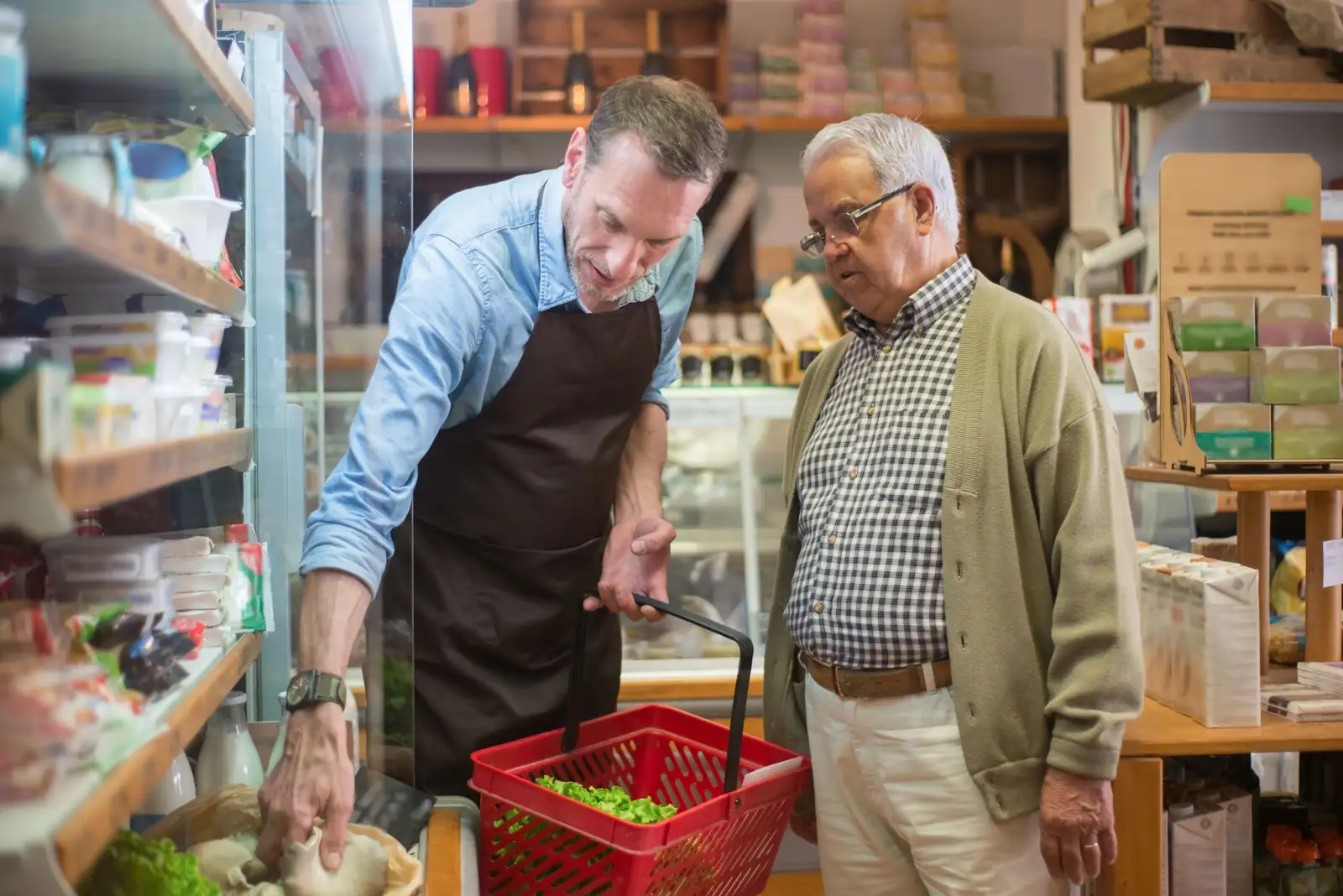
Conversion is the share of visitors who buy. It is the clearest way to see whether the floor, the stock and the line are working.

Two lists of products always drift apart. Here is how to run the counter and the website from one catalog without overselling.

Ten minutes with the right numbers beats an hour with every report. These are the five we would read first.