How to count your store traffic without buying sensors
Your sales tell you what happened at the register. Your traffic tells you what happened at the door. Here is how to count it without new hardware.
Conversion is the share of visitors who buy. It is the clearest way to see whether the floor, the stock and the line are working.

Conversion is simple to calculate: the number of sales divided by the number of people who came in. For example, if 200 people walk in on a Saturday and 50 sales go through the register, your conversion that day is 25 percent.
The number matters because it isolates what happens inside your store. Traffic depends on the street, the season and your marketing. Conversion depends on you: the product, the people on the floor, the prices and the line.
A monthly conversion rate hides everything useful. Look at it by hour and by day of the week. Most stores find a few hours where many people come in and fewer of them buy. Those hours are where your effort pays.
Pick one change, run it for a full week, and compare conversion for the same hours against the week before. If you change the window, the staffing and the prices all at once, you will not know which one worked.
To do this you need two numbers side by side: visitors and sales, by hour. Once you have them, conversion becomes the first number you look at.
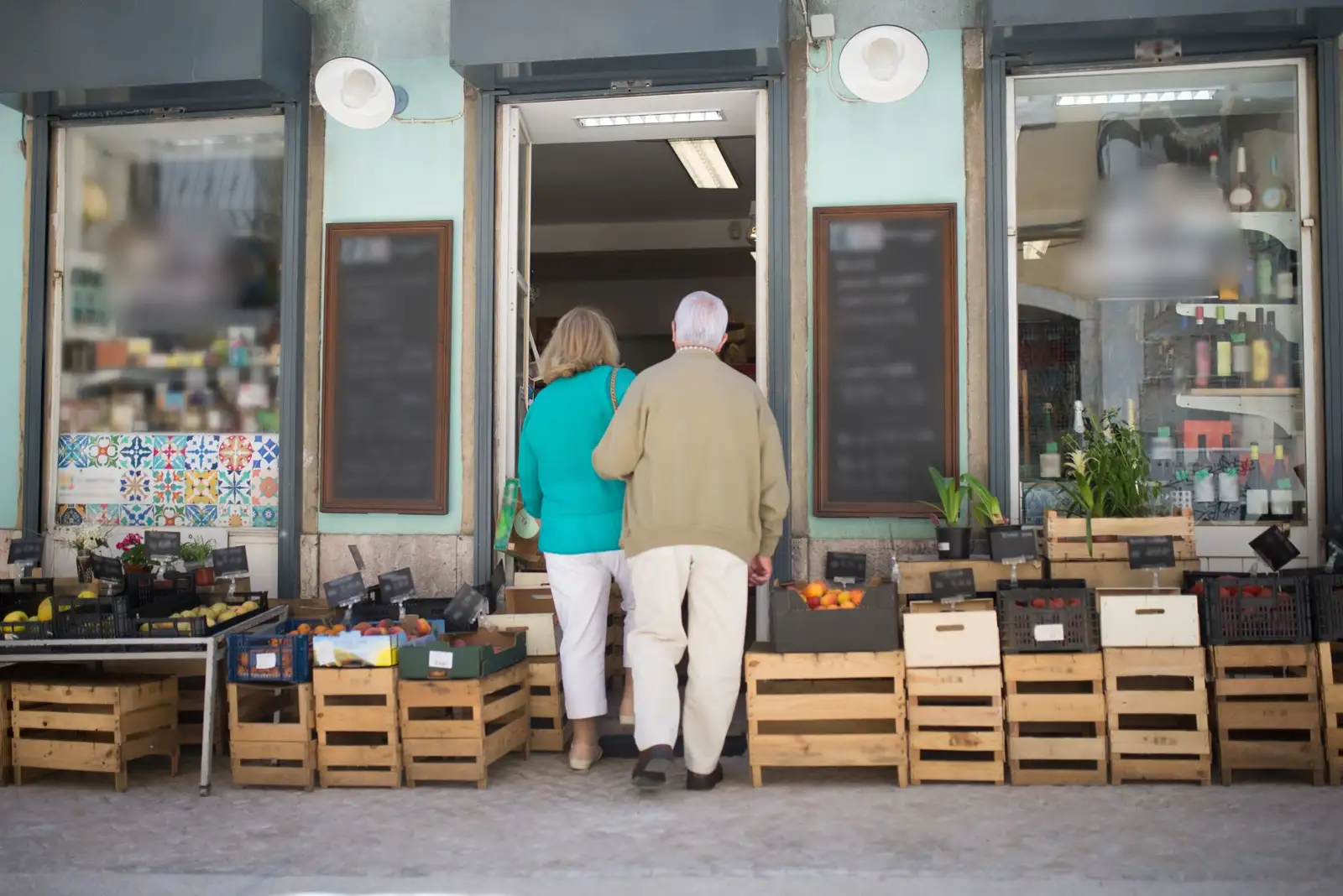
Your sales tell you what happened at the register. Your traffic tells you what happened at the door. Here is how to count it without new hardware.

Two lists of products always drift apart. Here is how to run the counter and the website from one catalog without overselling.

Ten minutes with the right numbers beats an hour with every report. These are the five we would read first.